How Much Does a Small Business Website Cost in the UK? (2026 Guide)
Typical price ranges for builders, freelancers, studios and agencies, plus the running costs people forget.

October 2026
By The Qivox team
Ask five people what a website costs and you’ll hear five very different numbers. That’s not because anyone is hiding something. It’s because “a website” can mean a three-page builder site you set up on a Sunday or a custom shop with hundreds of products. This guide sets out the typical small business website cost in the UK in 2026 for each route, what pushes the price up or down, and the running costs that are easy to forget. The figures are typical ranges drawn from published UK pricing guides, not our own prices, and every project is different.
Small business website cost: typical UK ranges
These are rough, typical ranges for a small business brochure site of around five to ten pages. Check whether any quote you receive includes VAT, as many published prices don’t.
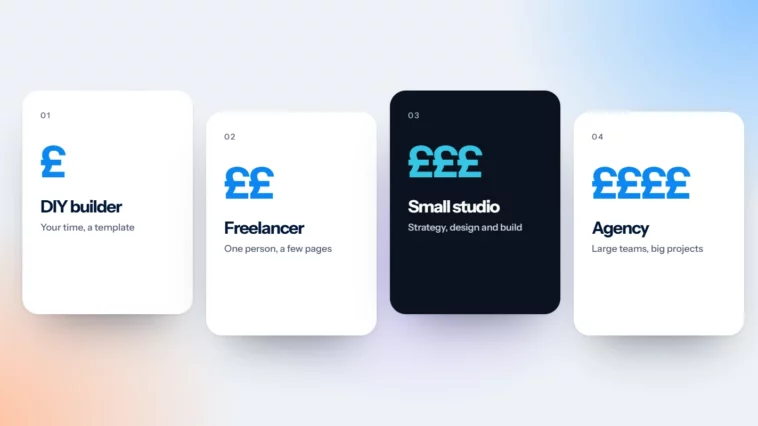
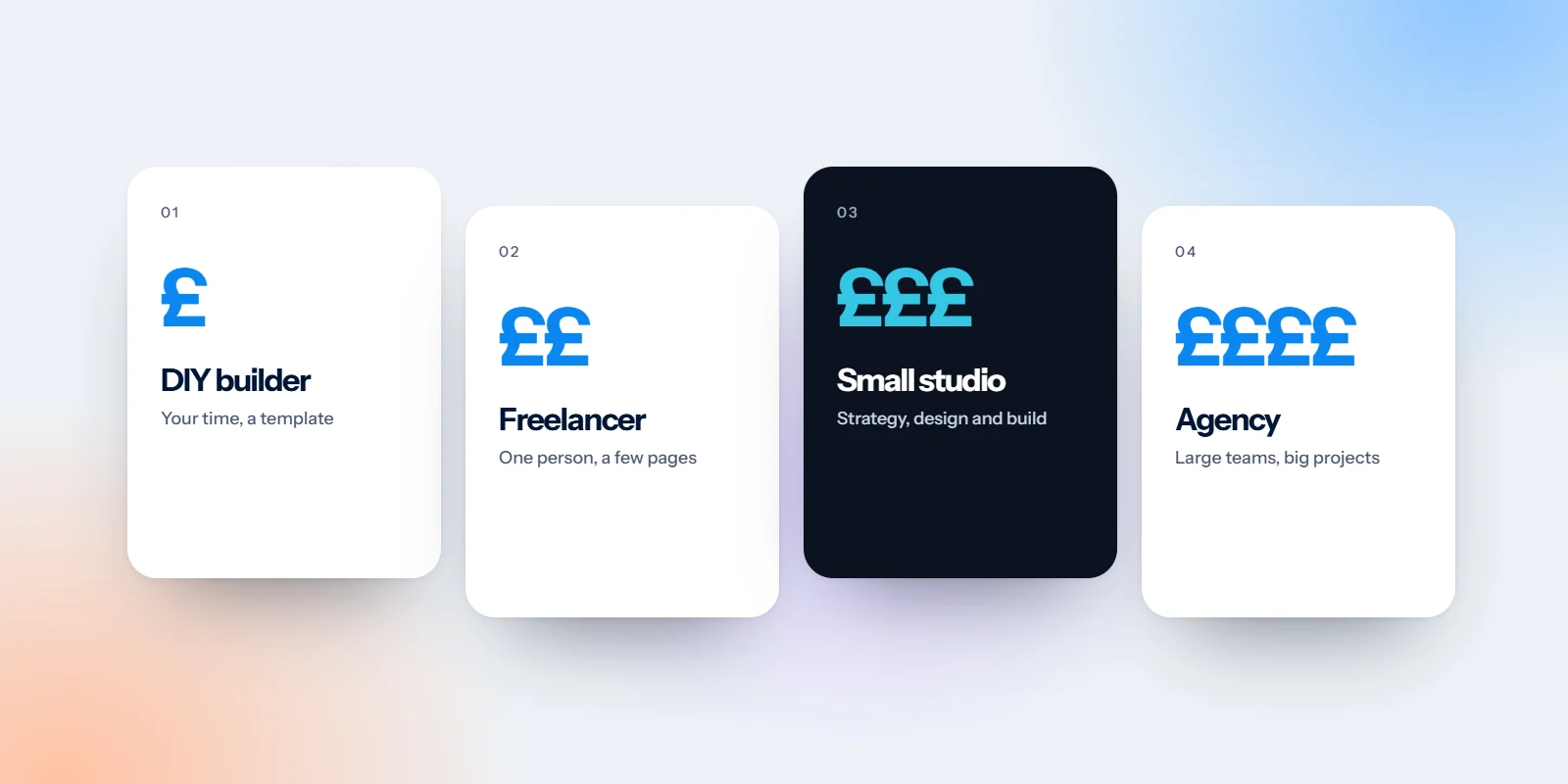
DIY website builders: Platforms such as Wix and Squarespace typically cost from around £10 to £50 a month on the plans most small businesses use, with higher tiers for selling online. The build itself is your time, which is the real cost.
Freelancers: A freelance designer or developer typically charges somewhere between £500 and £4,000 for a small brochure site, depending on experience, platform and how much design work is involved.
Small studios and regional agencies: Usually somewhere around £2,500 to £12,000 for a standard business website, often with strategy, design, build and some content help included.
Larger and London agencies: Quotes for a small brochure site often start from around £8,000 and can reach £25,000 or more, especially with research, custom features or larger teams involved.
Online shops: eCommerce sites typically cost more because there’s more to design and test: product pages, basket, checkout, delivery rules and payments. Professional builds commonly start around £5,000 and complex ones go well beyond that.
What pushes the price up or down
Two quotes for “a five-page website” can be thousands of pounds apart and both be fair. These are the things that usually make the difference:
Custom design or a template: A design made for your brand takes more time than adjusting a ready-made theme. It’s also what makes the site look like you rather than like everyone else.
Number of page types: Ten pages that share one layout cost less than five pages that each need their own design. Think in templates, not page counts.
Content: Who writes the words and supplies the photos? Copywriting and photography are often the hidden extras. If you can supply finished text and good photos, you’ll usually pay less.
Features: Online booking, a members’ area, a second language, product filters or integrations with other software all add design and build time.
Your brand: If you don’t have a logo, colours and typefaces you’re happy with, they may need doing first. A site built on a weak brand rarely looks finished.
The running costs people forget
The build is a one-off. These costs carry on every year, so budget for them from the start:
Domain name: A .co.uk domain typically costs around £10 to £15 a year.
Hosting: Basic shared hosting is often under £15 a month; managed WordPress hosting tends to cost more. On a website builder, hosting is included in the subscription.
Maintenance and updates: Software updates, backups and small edits. Care plans for a small site typically range from around £25 to £150 a month, depending on what’s included.
Plugins and licences: Premium themes, plugins, fonts and booking tools often carry yearly fees. Ask for a list.
Your time: Keeping prices, photos and news current. A site nobody updates soon starts to look closed.
Which route fits your business
A DIY builder suits a business that’s just starting, needs a simple presence quickly and has the time to do it well. A freelancer suits a clear, contained brief where you already have your brand and content. A small studio suits a business that wants design, build and brand working together, with one team responsible for the result. A larger agency makes sense when you need research, complex features or ongoing marketing alongside the site.
Whatever the route, the cheapest site is rarely the best value. A site that loads slowly, hides your prices or looks like a template can cost more in lost enquiries than you saved. Our list of signs your website is losing customers shows what to watch for.
How to compare website quotes fairly
When quotes arrive, line them up against the same questions. Is design custom or template based? How many rounds of changes are included? Who supplies the words and photos? Which platform is it built on, and can you edit it yourself afterwards? Who owns the site, the domain and the design files? What happens after launch, and what does support cost? Is VAT included?
If a quote can’t answer these clearly, ask before you sign. And if your current site might only need a few fixes rather than a rebuild, work through our website redesign checklist first. It could save you the whole budget.
Get a clear quote
We design and build websites for small businesses through our website design and development service, and online shops through our eCommerce websites service. We’ll give you a fixed-price quote based on what you actually need, not a package you have to fit into.
Have a site already? Start with a free website review. You’ll get your top five fixes and, if you want it, an optional fixed-price quote.